






Supporting CDFIs & MDIs
Business support, such as government support programs like PPP loans, are designed to pass through banks to reach small businesses. But, in Black communities, a disparity of major financial institutions has created a banking desert. CDFIs can be the primary vehicle to infuse capital into Black businesses and Black communities. Since 1973, CDFIs have been bringing opportunities to low-income, low-wealth communities left behind by mainstream finance.
A three-part plan for supporting these community financial institutions includes:
- Investing capital in MDIs and CDFIs
- Modernizing their systems, so they can more effectively deploy that capital
- Enhancing their human resources, including through mentorships and partnerships with larger banks


Education
Undoing systemic challenges in education will require investment in four areas: local school district “adoption” to provide mentorships and support of critical programs, a fund set aside for the support of Black communities to provide wrap-around services to strengthen learning ecosystems, long-term financial support of HBCUs and keystone institutions of higher learning for the community through infrastructure and scholarship funding and, an endowment for perpetual financing for higher education for Black students to reduce the rising burden of student loan debt.


Technology and the Digital Divide
To begin to dismantle the digital divide in Black communities, there are several key areas of focus. Local communities could be lifted through investments, such as ISPs funding broadband subscriptions in extremely disconnected communities, through low-cost subscriptions. Computers or laptop devices via loaner programs or at discounted rates to families can be provided through sponsorship of communities. Companies can sponsor STEM programs and internships, like data science boot camps and in-school programs, for aspiring STEM students. Incubators to inspire Black inventors and scientists can be funded to provide not only education but also personal support along with a network to connect and inspire ideas.

Healthcare
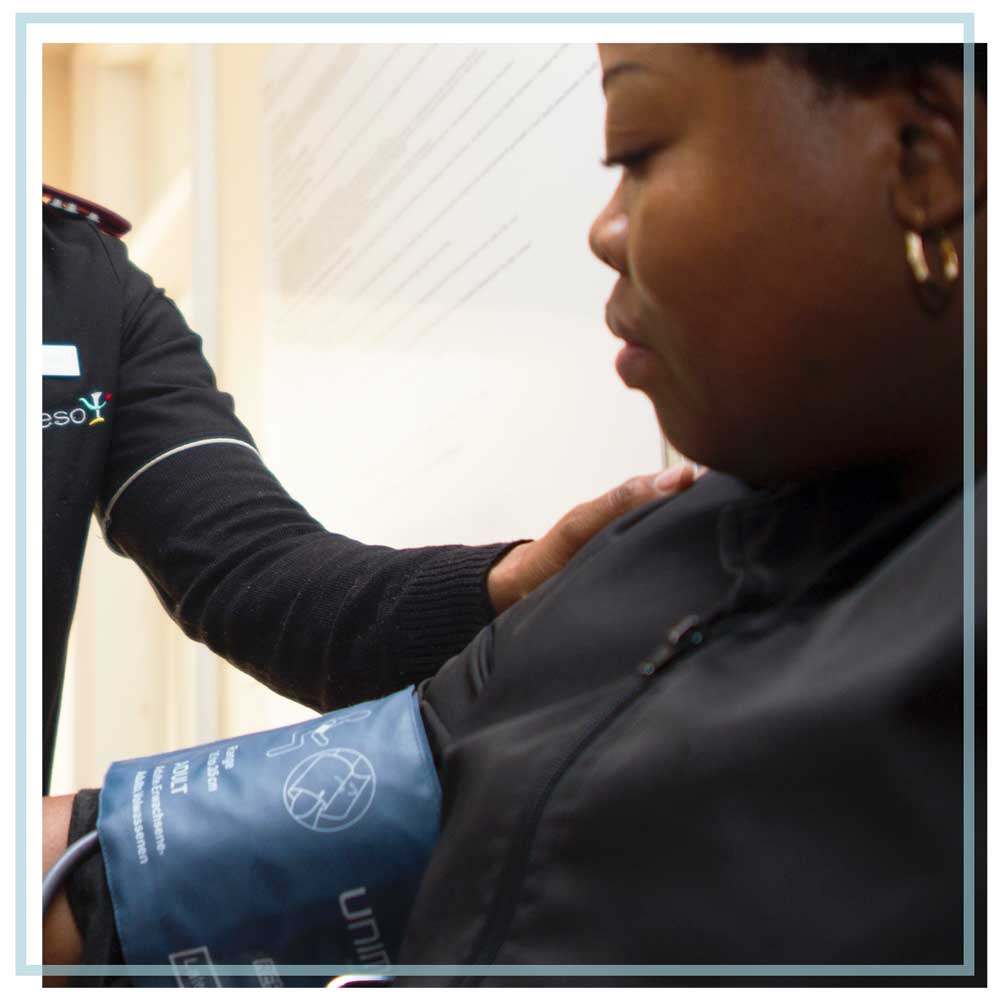
Black communities are often medically underserved, and Black patients suffer from decades of removal of services from their communities. To undo these existing problems, The 2% Solution focuses on healthcare as a main tenet. Stakeholders can invest in health clinics and community health outreach in neighborhoods that lack access to opportunities to address needs in healthcare deserts. We can incentivize the increase of services by a diverse group of healthcare providers in communities that traditionally lack access to opportunities by requiring rotations into those areas. Stakeholders, such as biotech and pharmaceutical companies, can fund research for better treatment of rare and prevalent diseases that typically affect the Black community, including prostate cancer, breast cancer, sickle cell disease and other under-researched diseases.